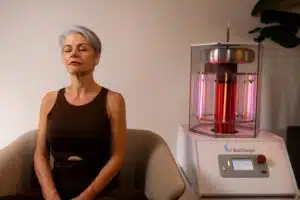
The Global Wellness Summit (GWS) has released its annual Future of Wellness report, its longest-running and most in-depth forecast yet. After notable disruption over the past few years, the wellness market is at a turning point. High-tech, medical, and hyper-optimized approaches, from longevity clinics to a surge in diagnostics and wearables, have rewritten the industry. At the same time, a powerful countermovement is gaining force: a renewed craving for no-tech, deeply human, social, and emotional wellbeing. These contradictions now define the wellness landscape, and they echo throughout the new report.
Looking ahead, 2026 is poised to bring another wave of transformation—a year of course corrections and cultural backlashes, a pivotal moment for women’s wellness, a reimagining of longevity, and a time when both environmental and human crises move to the forefront of global wellness priorities.
As in years past, some trends seemed more on point than others. And in recent days, it’s also become clear that activism itself may be emerging as a wellness trend. Amid political turmoil and social unrest, many people are turning to activism as a form of self-care, connection, and community-building.
So, what are the ideas shaping this next chapter of wellness? Here are the 10 trends GWS says will define the future:
1. Women Get Their Own Lane In Longevity
Men have dominated the longevity market, but the future is female
Anyone who has read the book Eve: How the Female Body Drove 200 Million Years of Human Revolution by Cat Bohannon knows that throughout history most medical research has focused primarily on men’s bodies. The longevity market, like medicine before it, is tacitly male: women’s path to health is extrapolated from men’s data and protocols designed for men. That era is ending. Research mounts that women age differently, with the ovary functioning as “command central” for women’s health, and its decline (aka menopause) dramatically accelerating systemic aging in women. This leads to a cascade of conditions women suffer far more and longer: from immune disorders to dementia to osteoporosis. Men suffer no such “gonadal death” and stark “before” and “after” health decline.
Slowing or stopping ovarian decline will be the next big biotech breakthrough. The wellness market is also expected to move beyond managing menopause symptoms to tackling ovarian aging and its specific health fallouts. Expect to see interventions tailored to women across every decade (from their 20s to 90s), ovarian aging tests becoming the new vital sign, hormone replacement therapy boomeranging back as longevity medicine, lifestyle interventions that best preserve ovarian reserve, with strength training reframed as a non-negotiable for women’s longevity. The trend details how basically every wellness market is now pivoting from treating menopause to more serious whole-life, medical-wellness longevity programs for women: wellness resorts, longevity clinics, big telehealth and women’s platforms, gyms, diagnostics and wearables. And as women finally shape longevity, its “bro” culture will change, too: less ultrahuman optimization; more human approaches.
2. The Over-Optimization Backlash
Pushing back on peak wellness
Never before has health been so measurable, and never before has it felt so psychologically demanding. Sleep is scored, glucose is graphed, aging is tracked, and wellbeing has shifted from something we feel to something we perform correctly. Therapists warn that data-driven wellness can tip from motivation into fixation, turning insight into pressure. As health data multiplies, many experience analysis paralysis rather than clarity, overwhelmed by constant self-tracking and the fear of “getting it wrong.” While longevity research, diagnostics and health technology have undeniably expanded human potential, optimization without integration is proving costly. The over-optimization backlash marks a decisive cultural pivot away from peak wellness and toward something far more human.
In response, the fastest-growing spaces in wellness are prioritizing nervous-system safety, emotional repair, and pleasure over metrics. Social saunas are growing around the world as ritual, not endurance; brands like On and Nike are ditching performance language for campaigns about softness, presence and joy; clinics are reframing aesthetics as psychological care rather than correction; and new technologies are quietly regulating the body in the background, without dashboards or demands. From scream circles and somatic release classes going viral to pleasure-forward food, low-stimulation retreats, and regulation-focused wearables, the trend is evident. Wellness is no longer about optimizing harder. It’s about feeling safer, more connected, and more alive.
3. The Rise of Neurowellness
Regulating the nervous system is the next frontier of human health
Neurowellness is moving from niche to mainstream as people realize one of their biggest health bottlenecks isn’t willpower, it’s nervous system overload. Sleep has become the on-ramp. Wearables turned a private struggle into a daily metric: “What’s your sleep score?” When scores stay low, the message is clear: the autonomic nervous system is stuck in low-grade fight-or-flight, showing up as fragmented sleep, anxiety, inflammation, brain fog, hormonal disruption and burnout. That visibility is driving a wave of interventions that go beyond supplements and mindset. “Hard-care” neurowellness is arriving through consumer-friendly neurotech: vagus nerve stimulation devices like Pulsetto, EEG-guided sleep tools like Elemind, and neurofeedback platforms like Myndlift that bring nervous system training into therapists’ offices, not just homes. Flow’s recent FDA approval for an at-home neuromodulation device adds clinical momentum, signaling a path to reimbursement and wider adoption.
At the same time, long-standing “soft-care” wellness anchors are being re-framed as nervous-system medicine: breathwork, touch therapy, yoga, and Feldenkrais are increasingly recognized for their measurable effects on regulation, making them more mainstream, more repeatable, and in some settings, even prescribed. Next, expect brain–body research, including Stanford’s focus on whole-system connections, to push neurowellness into everyday spaces, including mental health care, local fitness studios, hospitality, real estate, and next-gen destination spas and clinics.
4. Fragrance Layering
The new art of combining scents to create unique personalized identities
Fragrance layering, the art of combining scents to create a personalized olfactory signature, is changing the way we express ourselves, shape our moods, and interact with others. Once associated mainly with luxury and seduction, fragrance is re-emerging as a cultural and emotional language, echoing ancient traditions from Egypt, Arabia, and India, where scent signified ritual, status, and meaning. Today, Gen Z and Millennials are reviving this heritage through experimentation, fueled by TikTok, indie fragrance communities, and brands like Kayali and Rare Beauty that encourage mixing, mood-shifting, and the creation of “fragrance wardrobes.” This rise of “smellmaxxing” coincides with experimental cocktailing, social-coded scents, and layering workshops, which transform fragrance into a participatory, skill-based hobby. Layering is extending beyond personal fragrance into spaces and experiences, with environments crafted to carry evolving aromas that shape mood and ritual. Technology is amplifying this, as smart fragrance systems and AI tools allow scents to shift dynamically throughout the day, responding to activity, context, or emotional state.
5. Ready Is the New Well
Preparing for climate disaster is the new preventative wellness
Wellness has always promised protection—from disease, from burnout, from the slow erosion of mental health. But the next wave of wellness will promise something different: survival itself. Just as preventive medicine once transformed healthcare, disaster readiness is becoming the next evolution of everyday resilience, where having a disaster plan is as essential as having a fitness plan. This shift connects mental health, physical readiness, and community interdependence into one continuum of care. The implications for the global wellness economy are vast. Gyms and fitness studios will double as emergency shelters; wellness retreats will teach readiness; and demand for disaster-proof architecture will surge. But perhaps the greatest opportunity lies in the industry’s ability to hold both sides of the psychological spectrum at once, supporting people who live in chronic fear of what might happen, while also caring for those navigating the emotional fallout of what already has. As disasters become inescapable, the most forward-thinking companies will prioritize practical, proven solutions that put people’s minds at ease.
6. Skin Longevity Redefines Beauty
Move over anti-aging: innovations in skin regeneration usher in a new era
A transformation is sweeping the beauty and wellness industries as “anti-aging” is rapidly being replaced by the concept of skin longevity. This emerging vertical merges cutting-edge biotech, proactive skincare, and holistic wellness, reframing the conversation from reversing the unwanted effects of time to optimizing the skin’s health and function over the long term. Skin longevity honors skin as the body’s largest organ and a key marker of overall health. It’s driven by demographic realities—people are living longer and seeking solutions to maintain long-term health and vitality—and by a philosophical shift, treating skin as a diagnostic tool and reflection of overall health. The movement is gaining significant momentum, backed by major investments and deep scientific research. Advances include sophisticated skin diagnostics, such as L’Oréal’s Cell BioPrint, and the development of new active ingredients and regenerative treatments. These innovations are creating a new age of personalized, preventative care. The trend extends beyond the face to encompass “hair longevity,” with a focus on scalp health and regenerative therapies for hair. Industry experts concur that skin longevity is a defining turning point in beauty and wellness, where the cross-pollination of science, biology, and technology is unlocking unprecedented horizons for personalized, visible results and long-term health optimization.
7. The Festivalization of Wellness
A new wave of healthy, wild, cathartic wellness raves and gatherings
A new wave of group wellness events is reshaping the global wellness landscape, marking the rise of the “festivalization of wellness.” These gatherings respond to widespread economic stress, social fragmentation, and digital overload by prioritizing human connection, collective energy, and emotional release. Inspired by festival and rave culture, wellness raves, sober morning dance events, and multi-day immersions are reframing wellbeing as experiential, social, and identity-driven rather than prescriptive or perfection-oriented. Spanning movement, music, sauna culture, learning, and creative expression, they emphasize participation over performance and lower barriers to entry by creating judgment-free spaces where people explore what intuitively feels good. Around the world, sober morning raves, grief raves, and headphone-led somatic dance experiences like Sanctum are turning dance floors into spaces for emotional release, connection, and catharsis. At the same time, mass-participation fitness festivals such as Hyrox attract hundreds of thousands of athletes and spectators to sweat, celebrate, and heal together. Luxury resorts from Six Senses and Soneva to SHA Wellness are now hosting immersive multi-day wellness festivals, while mainstream music events like Wilderness, Lost Village, and Envision are embedding breathwork, rituals, and recovery zones into their lineups. The result is a global shift where wellness becomes social, expressive, and identity-shaping—built on joy, belonging, and shared experience rather than discipline and optimization. By making wellness playful, inclusive, and culturally relevant, the festivalization of wellness is redefining health as belonging, connection, and sustainable joy.
8. Women and Sports: The Revolution Continues
More women become empowered as athletes as the women’s sports economy booms
This trend captures a long-overdue cultural and economic reckoning as women’s athletics moves from the margins to the mainstream, reshaping fitness, media, fashion, fandom, and business along the way. Around the world, new leagues like the Professional Women’s Hockey League, League One Volleyball, and the upcoming Women’s Professional Baseball League are launching alongside bold, culture-forward events such as Athlos in New York City, which turned women’s track and field into a Times Square spectacle complete with instant prize payouts and a Ciara concert. Female fandom is exploding too, visible in the rapid rise of women’s sports bars like The Sports Bra (now franchising nationwide), record-breaking attendance at the 2025 Women’s Rugby World Cup, and massive global viewership for women’s cricket in India. At the same time, female athletes are becoming cultural and commercial powerhouses: Coco Gauff co-creating fashion lines, Ilona Maher and Sloane Stephens launching beauty brands, Allyson Felix building a motherhood-centered footwear company, and media platforms like Togethxr rewriting who gets visibility and voice. On the ground, this momentum is changing bodies and behaviors. Women are lifting heavier, joining grassroots leagues, filling women-only gyms from Dubai to Shanghai, and embracing strength over thinness as both a physical and political act. Together, these shifts signal a structural change. Women’s sports are no longer asking for permission, but actively redefining what power, performance, and possibility look like on the field, in culture, and across the global wellness economy.
9. Tackling Microplastics as a Human Health Issue
We’ve grasped the severity of the microplastics crisis; this year is about action
Microplastics have crossed a critical threshold, from an environmental problem to a direct human health concern. Once associated mainly with oceans and wildlife, these microscopic particles are now being detected in human blood, lungs, placentas, and even the brain. Each year, an estimated 130 million metric tons of plastic enter the environment, breaking down into particles we ingest through bottled water and packaged food, inhale from synthetic clothing fibers in household dust, and absorb through everyday consumer products. Early research links this exposure to inflammation, hormonal disruption, cardiovascular disease, and potential cognitive effects. As concern grows, the wellness and medical sectors are moving from observation to intervention. In London, private clinics are already offering costly treatments claiming to reduce microplastic loads in the body, while consumer-facing innovations such as plastic-free underwear are also emerging. Looking ahead, microplastics may become a routinely measured health marker—tracked alongside cholesterol or inflammation—and plastic exposure, a factor shaping architecture, fashion, food systems, and healthcare. The challenge now is not awareness, but whether society acts quickly enough to reduce exposure at the source, before the smallest pollutants create the largest health legacy.
10. Longevity Residences
Healthspan finally comes home
A new category of “longevity residences” is emerging within wellness real estate, designed to support longer, healthier lives. This trend signals a major shift in how—and where—longevity is delivered, as real estate becomes an active participant in extending healthy life rather than a passive backdrop. Around the world, a new generation of longevity-focused communities is embedding preventive medicine, advanced diagnostics, biohacking, and AI-driven personalization directly into daily living. The Estate is building a global network of residences where architecture, circadian lighting, diagnostics, and concierge medicine operate as a continuous longevity system; Australia’s Elysium Fields has plans to pair luxury living with on-site MRIs, brain scans, and anti-ageing clinics; Velvaere in Utah will integrate Fountain Life’s early-detection diagnostics into its ski-in, ski-out community; and Tri Vananda in Thailand is blending medical longevity science with holistic design, biophilia, and multigenerational living. Unlike traditional wellness real estate, these residences go deeper tracking biomarkers, personalizing care over decades, and removing friction from proactive health behaviors. Fueled by an aging global population, soaring investment in longevity tech and the rise of concierge medicine, longevity residences reflect a growing realization that true healthspan gains happen at home, not during one-off clinic stays.