With our food system under stress from deregulation, loss of biodiversity, and climate and environmental pressures, many people are experiencing a renewed interest in gardening. John Faerber, director of horticulture at The Lakehouse on Canandaiga (NY), is bringing a growing pollinator garden to life at the popular Finger Lakes resort. Faerber leads the resort’s new four-hive apiary and native pollinator initiative, Here, he shares how gardening can boost wellbeing and the ways hotels are bringing sustainability to life in more tangible ways for guests.
How does gardening boost mental and physical health?
Gardening naturally encourages you to slow down and pay attention to what’s happening around you. You’re outside, moving your body, working with your hands, and focusing on something tangible. There is also something very rewarding about caring for a plant over time and watching it grow and change.
A garden engages all of your senses, whether it’s the smell of herbs, the texture of the soil, the sound of pollinators, or simply noticing what has bloomed since the day before. Even if you aren’t actively gardening, spending time in a garden can create an opportunity to disconnect from screens and everyday distractions and reconnect with nature.
For you personally, what daily tasks bring you into a state of flow?
When I arrive at The Lake House at 4 a.m., the first thing I do is check on my seedlings. That starts my flow for the day. From there, I walk through the vegetable garden to see what is ready to harvest and spend time in the perennial gardens.
One of my favorite experiences is walking through the gardens when there is a full moon. There is something very spiritual about being in the garden at that hour. It quiets my mind and gives me a sense of calm before the day begins.
Why are luxury hotels embracing apiaries and pollinator gardens?
I think travelers are increasingly interested in understanding the places they visit on a deeper level, and gardens can tell a really interesting story about a destination. Apiaries and pollinator gardens allow hotels to create beautiful spaces while also supporting biodiversity and the larger ecosystem.
At The Lake House, we recently added four beehives and a new native pollinator garden, and our gardens and greenhouse are maintained without pesticides. As the hives mature, our goal is to eventually harvest honey that can be used throughout the property, from our restaurants and bakery to Willowbrook Spa. It creates a connection between what guests see growing outside and what they experience during their stay.
How is sustainability becoming part of the guest experience rather than remaining behind the scenes?
Sustainability becomes much more meaningful when guests can actually see and experience it. A guest may not think about biodiversity when they arrive at a hotel, but they might walk through a pollinator garden and notice bees moving from flower to flower or join a garden tour and start asking questions.
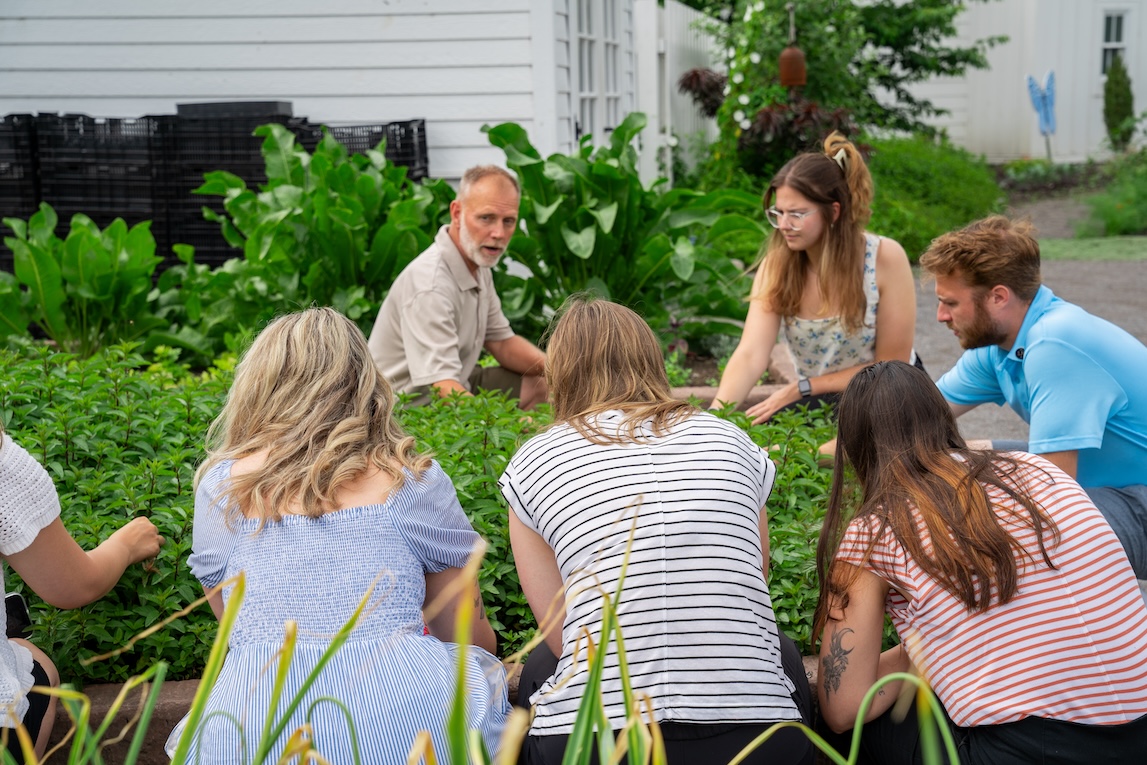
That’s one of the things I enjoy most about giving garden tours at The Lake House. The gardens give us an opportunity to talk about native plants, pollinators, how we grow things, and why certain choices matter. If someone leaves here inspired to plant a few native flowers or think differently about pesticides in their own backyard, that experience can have an impact well beyond their stay.
How did you first become involved in gardening and what advice do you have for others who may not have room to plant a pollinator or vegetable garden?
I was seven years old when I decided I wanted a vegetable garden. We didn’t have one, so my mom took me outside to find a sunny spot on our one-acre property. Then she took me to the farmstand and gave me money to buy tomato, pepper, eggplant, pole bean, beet, and asparagus seeds.
Asparagus grown from seed takes about three years before you can harvest it, so I was 10 years old when I finally picked my first asparagus. I still remember the joy and pride I felt knowing I had grown something from a seed that I could now eat. Today, when I’m growing from seed in the vegetable garden at The Lake House, it takes me right back to being 10 years old with my mom by my side.
From that point on, I was hooked. I knew I wanted gardening to be part of my life, and I’ve been fortunate to make that happen. I love being an artist, teacher, and writer, and being able to pass along my love and knowledge of gardening brings me tremendous joy.
For anyone who wants to garden but doesn’t have much space, my advice is simply to start small. A porch, balcony, windowsill, or doorstep can be enough to grow herbs, vegetables, or plants that support pollinators. Flowers such as marigolds, lavender, zinnias, and native plants can work well in containers, as can tomatoes, peppers, lettuce, and herbs. Local university extension programs, garden clubs, and community gardens are also wonderful resources for learning what grows best in your area.
And if you truly don’t have outdoor space, consider volunteering at a community garden or helping with a garden at a school or local organization. Gardening doesn’t have to be large to be meaningful. Even one plant can bring joy, beauty, and life to a small space.