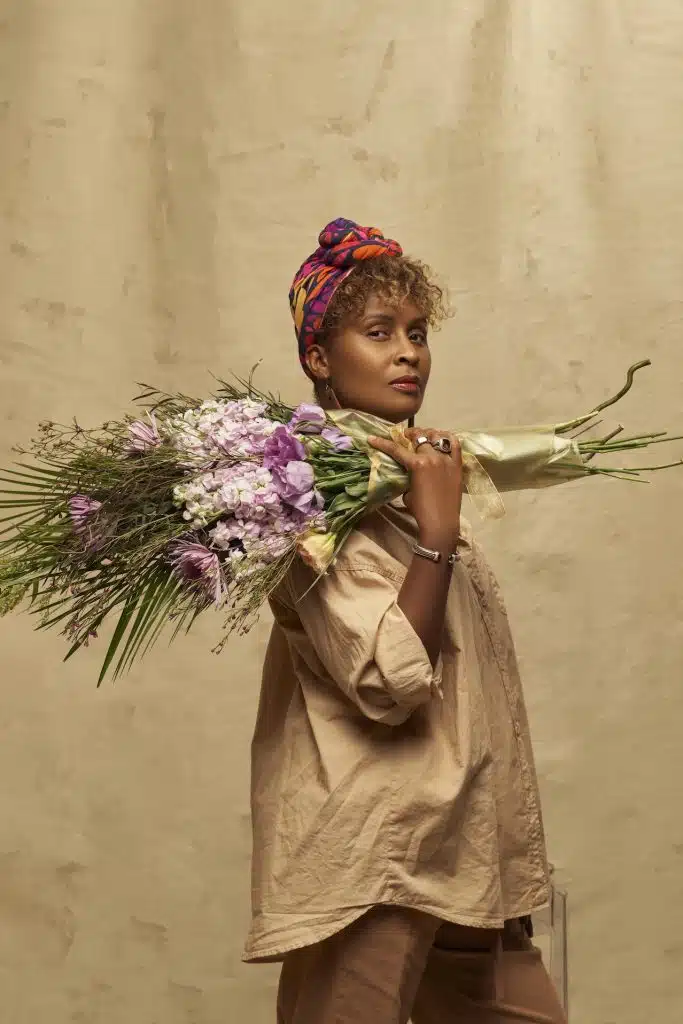
May is Mental Health Awareness Month. As Americans, we’re finally getting to a place where we’re aware of mental health issues and shedding the stigma around them. We’re learning to recognize the symptoms related to mood disorders, anxiety, loneliness, screen addiction, and hyperactivity in ourselves and in each other. Where we still face a knowledge gap, however, is when it comes to knowing how to live lifestyles that promote mental wellness and ease symptoms when they arise. Many are familiar with talk therapy and medicine as treatments. But how can we be living our day-to-day lives in a way to encourage better mental and emotional health? Are there forms of self-care that we’re missing? What activities should we engage in? What kind of environments should we seek out? Many recent studies point in the same direction: the natural world. Being in and working with nature is good for you.
Nature is both a healing and a preventative measure. Nature walks and gardening are both known to have many health benefits, and mindful flower arranging, the practice of flower arranging as a form of meditation, does, too. More than just a decorative art, flower arranging offers a range of health benefits for the mind. Here’s how it can boost mood, reduce stress, improve focus, and serve as a creative outlet.
Mood Booster: Nature’s Built-In Antidepressant
Flowers have a long-standing association with happiness and wellbeing. Research consistently shows that simply being around flowers can lift a person’s spirits. The act of arranging flowers takes this a step further by offering an immersive, hands-on experience with natural beauty. The vibrant colors, textures, and fragrances of flowers can activate the senses and trigger the brain to release dopamine and serotonin—neurochemicals linked to pleasure and happiness.
A Natural Stress Reliever
Flower arranging also serves as a calming ritual that can significantly reduce stress. The process requires gentle attention and physical movement, encouraging a slower pace that naturally helps calm the nervous system. The repetitive nature of trimming stems, placing blooms, and adjusting designs provides a meditative rhythm that promotes mindfulness—bringing your focus into the present moment.
Spending time in nature is known to lower cortisol levels (the hormone associated with stress), and working with flowers offers a concentrated dose of that benefit. In Japan, the centuries-old practice of ikebana, the art of Japanese flower arranging, is deeply rooted in Zen principles, emphasizing stillness, harmony, and contemplation. Practitioners of ikebana often describe the experience as emotionally grounding, a quiet moment of respite from the noise of everyday life.
Enhances Focus
In a world filled with constant distractions—notifications on your various devices, ringing phones, breaking news—and so much more vying for your attention, mindful flower arranging can help sharpen your focus and improve concentration. The practice demands a delicate balance of creativity and precision. You must consider the color palette, symmetry, height, proportion, and texture—all of which require careful observation and decision-making.
This kind of focused, goal-oriented task is often described as a “flow” activity. Flow refers to a mental state where a person is fully immersed in an activity, losing track of time and becoming completely absorbed in what they are doing. Engaging in flow not only enhances performance and creativity, but it is also strongly associated with increased happiness and life satisfaction.
A Channel for Creative Expression
Perhaps one of the most fulfilling aspects of mindful flower arranging is the opportunity for personal expression. Like painting, writing, or music, floristry allows individuals to convey emotion, tell a story, or capture a moment using color, form, and structure. Whether you’re creating a romantic bouquet of roses, a wild arrangement of meadow flowers, or a minimalist display of white lilies, each creation reflects your mood, personality, and aesthetic sensibilities.
Unlike other art forms, flower arranging is accessible to people of all ages and skill levels. There are no strict rules—just guidelines that can be adapted to your taste. This freedom allows for experimentation and joy in the process, rather than focusing on perfection or end results. Even those who don’t see themselves as artistic can experience the confidence boost that comes from creating something beautiful with their own hands.
You don’t need expensive tools or rare flowers to begin. Start with a few fresh blooms from a grocery store or garden, a pair of scissors, and a vase or jar. Set aside some quiet time, put on calming music, and let yourself engage fully in the experience. Whether you follow a structured design or simply place stems in a way that feels good to you, the act of arranging flowers is inherently restorative.
Mindful flower arranging is more than a pleasant hobby—it’s a therapeutic practice that nurtures the mind and soul. By boosting mood, relieving stress, enhancing focus, and offering a powerful outlet for creativity, it invites us to slow down and reconnect with ourselves and the natural world. In the simple act of arranging flowers, we find beauty, balance, and a blossoming sense of wellbeing.